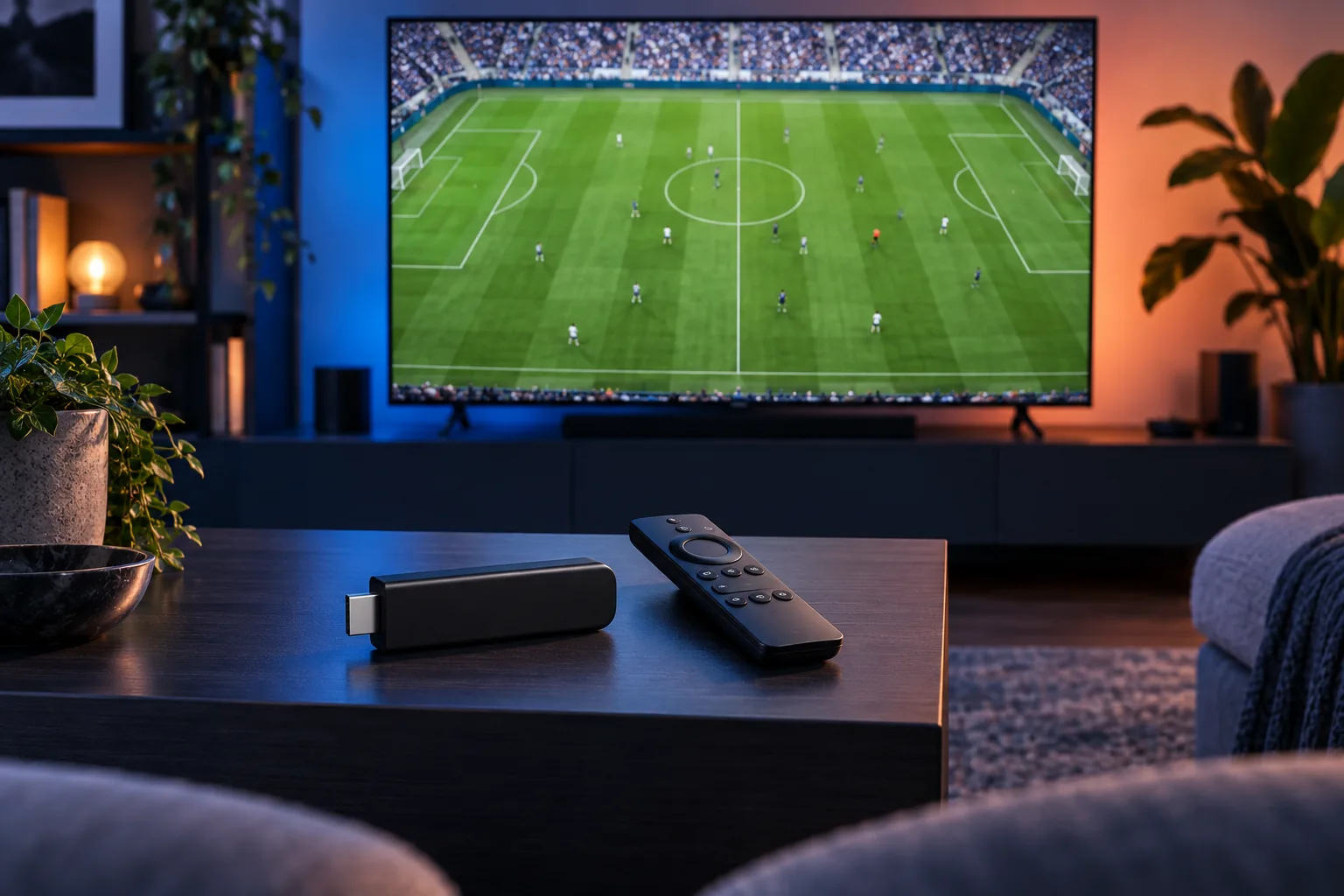
What a 4K label really tells you
A 4K-capable television or player can display a suitable high-resolution source, but it does not make every programme arrive in 4K. The source, account.
Read more →
JOURNAL TOPIC
Choose the guide that matches your question. Each article gives a direct explanation and practical next steps.
GUIDES IN THIS TOPIC
A 4K-capable television or player can display a suitable high-resolution source, but it does not make every programme arrive in 4K. The source, account.
Read more →Resolution describes the picture's pixel dimensions, while bitrate describes how much compressed data is used over time. Two streams with the same resolution can.
Read more →Upscaling fits a lower-resolution picture to a higher-resolution display by calculating additional pixels. It can make the image fit the screen cleanly, but it.
Read more →
A codec defines how video or audio is compressed and decoded. A container or delivery format packages that data with other information. A familiar file extension.
Read more →Hardware decoding uses dedicated device capability to process supported media, while software decoding uses general computing resources. Which option works well.
Read more →Frame rate describes how many images the content supplies each second; refresh rate describes how often the display updates. A mismatch can affect how motion.
Read more →
Judder is uneven motion that can be visible during pans or moving scenes while playback continues. Buffering is an interruption caused by the player waiting for.
Read more →A picture can look stretched when the player or television forces content into a different aspect ratio. Use an original or fit-style display option where.
Read more →
Black bars can be the correct result when content has a different aspect ratio from the display. A wide film may leave space above and below; older narrow.
Read more →HDR presentation depends on the source format, device output, display support and picture mode agreeing. A mismatch or unsuitable setting can make colours or.
Read more →A black picture on an external display can involve the selected input, cable, output mode or protected-content requirements, as well as the player itself. First.
Read more →A larger playback buffer can give a player more data in reserve before it displays it, where the application supports that setting. The trade-off can include.
Read more →A player that takes time to start and then runs smoothly has a different symptom from one that starts quickly and repeatedly stalls. Startup can involve account.
Read more →If one item fails while others work on the same device, player and connection, preserve that comparison. It suggests the account can reach at least some working.
Read more →Adaptive streaming can select among supplied quality variants according to conditions, but the source and player must support that workflow. Not every playlist.
Read more →LET’S GET YOU STARTED
Install a suitable player, then WhatsApp us for your 24-hour trial.