Put an overseas event on the correct local calendar date
Record an event with its stated time zone, not only a clock time copied from a poster. Check the local date shown by your calendar, particularly when the event.
Read more →
JOURNAL TOPIC
Choose the guide that matches your question. Each article gives a direct explanation and practical next steps.
GUIDES IN THIS TOPIC
Record an event with its stated time zone, not only a clock time copied from a poster. Check the local date shown by your calendar, particularly when the event.
Read more →Before an important event, confirm the reminder in the time zone you will actually use. A saved screenshot or manually converted time may no longer describe the.
Read more →Treat a saved fixture as a plan that may need rechecking. Keep the organiser’s source in the calendar note and compare it close to viewing time. If the event.
Read more →An event listing can refer to studio coverage, an undercard, introductions or the contest itself. Identify which start you care about and keep both times if they.
Read more →Record the round, date and session for a multi-day competition, not only its tournament name. Separate simultaneous sessions and note which participants or stage.
Read more →Add the particular practice, qualifying, sprint or race session you intend to watch rather than one reminder labelled race weekend. Use the current official.
Read more →Before importing another fixture calendar, check whether the same competition is already subscribed through a different source. Duplicate entries can produce.
Read more →List the overlapping events and decide which one matters most before the viewing window. Confirm the specific feeds and actual account connection terms rather.
Read more →If the player supports groups or favourites, create a small temporary list for the event period rather than replacing the household’s ordinary list. Use exact.
Read more →If you intend to watch behind the event’s real-world progress, review sports alerts, messaging previews and connected-device notifications before starting. Use.
Read more →Before guests use a shared screen, check whether casting, screen sharing or a connected phone will reveal personal notifications. Prefer the supported playback.
Read more →
Check the device’s supported update and restart arrangements before an important viewing period. Complete planned maintenance early enough to verify ordinary.
Read more →If a guide lists a broad sports programme rather than a specific fixture, keep a separate note of the event, participants, date and intended feed. Compare the.
Read more →Ask what later-viewing function actually exists for the specific item and account. A replay catalogue, channel catch-up and a local recording are different.
Read more →
A competition logo or event photograph helps identify a subject, but it does not by itself prove a service carries that event. Keep the image’s editorial purpose.
Read more →If someone else will start the screen, leave a short note naming the device, player, intended event and supported route. Include normal remote actions and an.
Read more →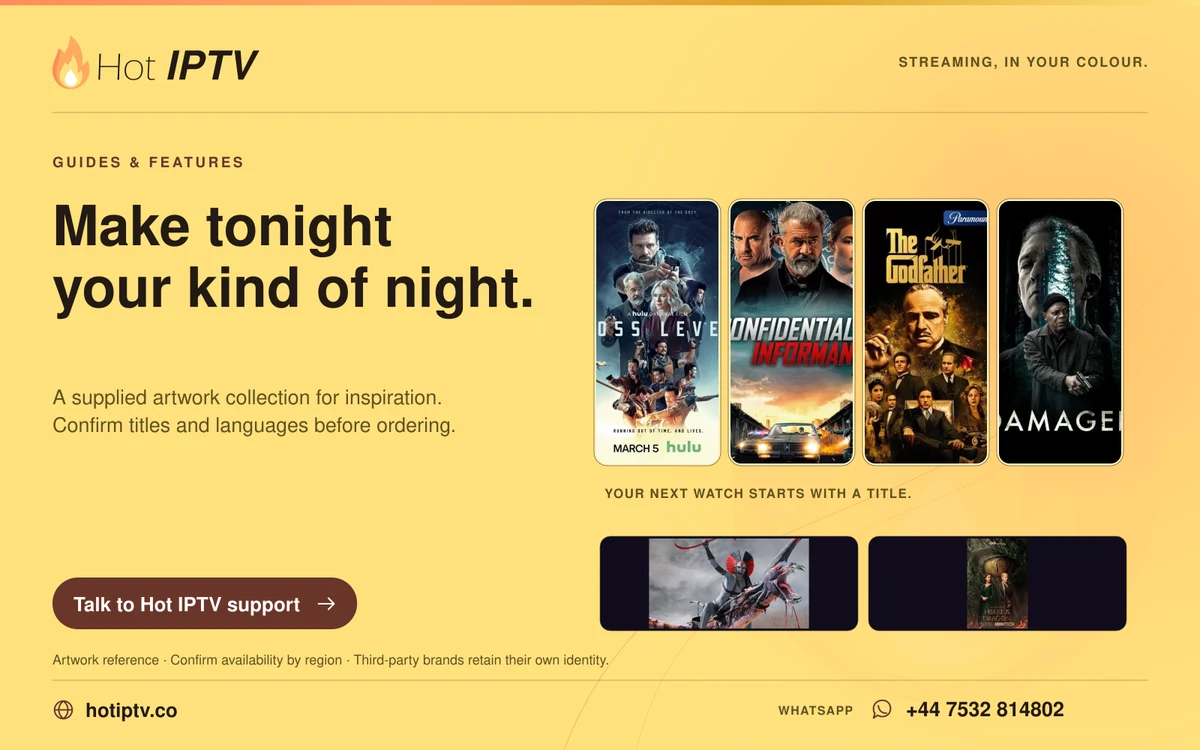
When an item has multiple editions, use its title, year and edition label together to choose the intended version. Compare the listed runtime and description,.
Read more →If a series includes specials, check how the actual catalogue labels them before continuing a season. A special may sit outside the ordinary numbered sequence..
Read more →Use title, production year and relevant country or creator information when several series share a name. Compare the synopsis and cast shown in the listing.
Read more →
Agree the preferred language and whether the group wants an original or dubbed track before starting. Test the actual item’s available audio and required.
Read more →If several people use a series list, record the last completed season and episode explicitly. A thumbnail position or recently opened item may not mean the.
Read more →If the player supports autoplay, choose whether it suits the session and check how it behaves after an episode ends. An automatically opened next item does not.
Read more →Before browsing with someone avoiding spoilers, check whether the interface automatically plays trailers or previews. Use supported controls where available and.
Read more →A watchlist records what you want to see, not necessarily what a service currently offers. Keep desired titles separate from confirmed playable items, and verify.
Read more →Use the responsible programme publisher or official platform for a release announcement, then confirm the actual viewing route separately. Record the relevant.
Read more →Check the actual publisher, app and account documentation before planning offline viewing. Some products provide only streaming, while any supported download.
Read more →If a product officially supports recording for your arrangement, inspect storage requirements and the actual destination before relying on it. Confirm the.
Read more →Agree the practical needs before choosing: language, captions, description, approximate session length and whether anyone wants to avoid spoilers. Then verify.
Read more →Identify the exact title, year, edition, season and episode where relevant, then describe the observed error and device. Keep availability, wrong metadata,.
Read more →At the end of a practical trial, compare results with the needs you wrote down beforehand. Separate confirmed successes, unresolved questions and features not.
Read more →LET’S GET YOU STARTED
Install a suitable player, then WhatsApp us for your 24-hour trial.