
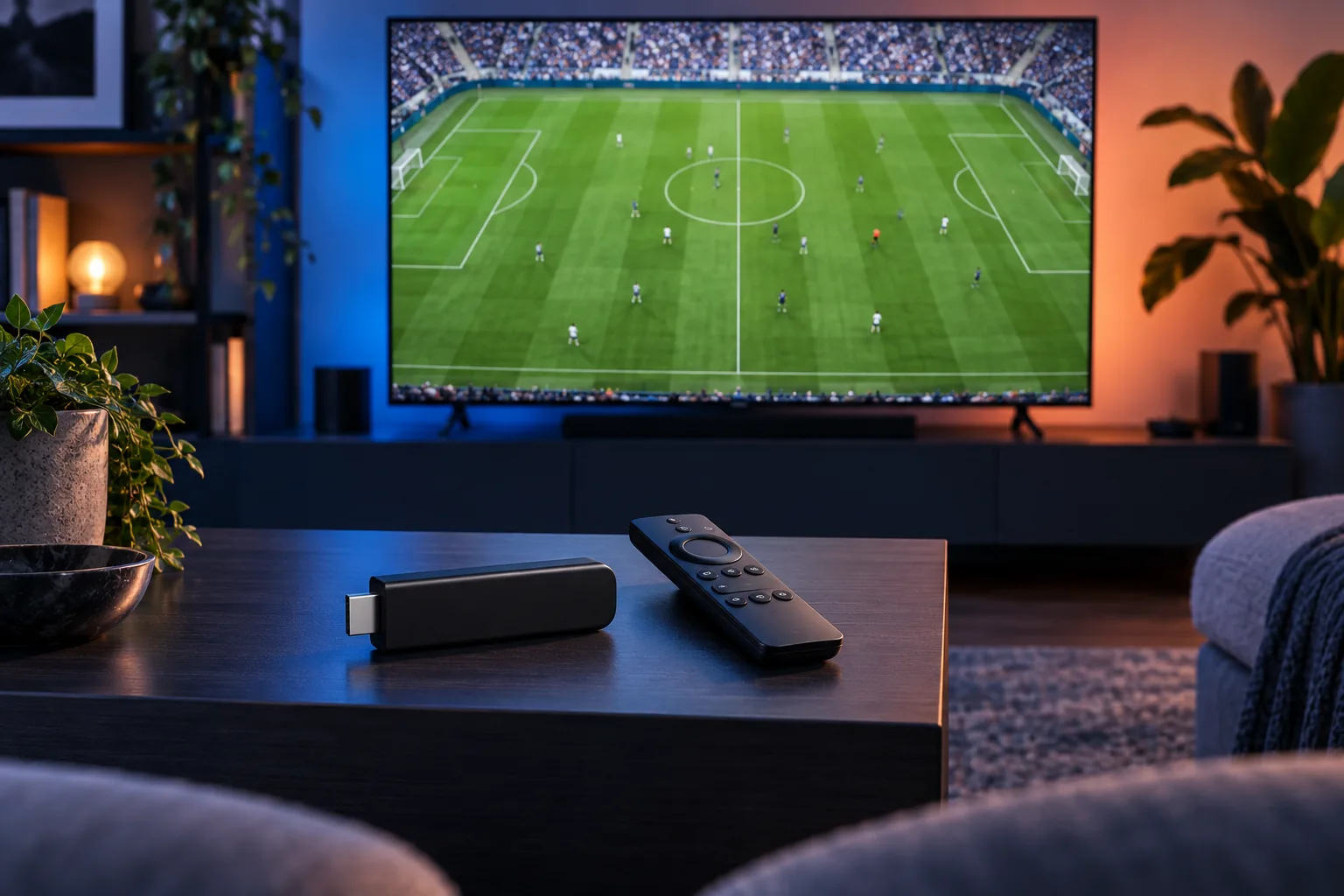
Television viewing usually relies on a direction pad and a visible focus position, whereas a phone interface can assume direct touch. A technically installable app may therefore be difficult to navigate from the sofa. Evaluate the platform edition and its intended input method, not just whether the installation finishes. A remote-friendly home screen, reachable playback controls and readable account fields matter for everyday use and for asking someone else to operate the setup.
Why it matters
Television operation depends on readable distance navigation and a direction pad, while mobile software may assume touch. Installation therefore answers only part of usability. Testing sign-in, browsing and playback with the household remote reveals barriers that can remain invisible when another person demonstrates the same app with a mouse or touchscreen.
Work through the steps
- Confirm that the publisher offers an edition intended for your television platform rather than relying only on the presence of an installer.
- Use the ordinary remote to move through sign-in, categories, playback and exit controls, checking that each essential action can be reached without touch.
- If navigation requires an unsupported workaround, choose a suitable maintained edition or discuss another player rather than treating successful installation as complete compatibility.
What to avoid
A mouse workaround can hide a barrier that returns with the ordinary remote. Do not call a mobile edition fully TV-compatible merely because it installs or plays one item after someone reaches it using a different unsupported input arrangement during demonstration or setup.
The useful takeaway
Use the intended edition and test essential tasks with the normal remote. Judge practical navigation before a longer commitment, keeping installation success separate from everyday usability for the household's actual viewing and input routine.
Keep reading
Published 29 October 2026 · Hot IPTV editorial team · How we write and update guides