
Chroma subsampling reduces the amount of colour information stored relative to brightness information in an image. Video systems use it to represent pictures efficiently, relying partly on differences in human sensitivity to detail. Different sampling arrangements can affect fine coloured edges and text, independently of a video's stated resolution or its network delivery speed.
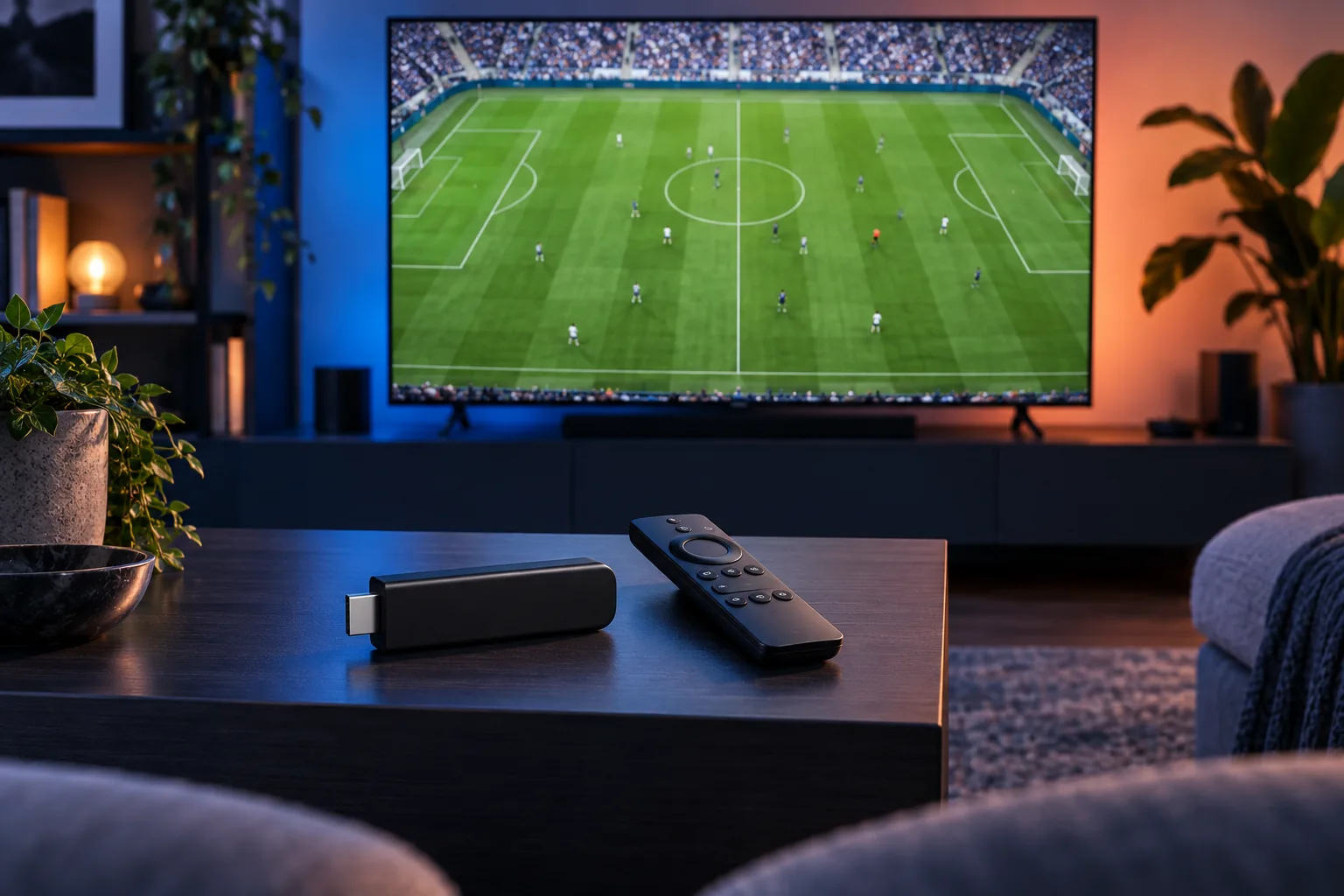
A practical example
A desktop connected to a television may show small coloured text differently under different supported output arrangements. The same effect can be less noticeable in moving programme footage because ordinary pictures do not stress every type of fine colour detail equally.
A common misunderstanding
A sharper-looking text test does not automatically prove that one setting improves every film. Choose a supported mode suitable for the source, cable, device and display rather than changing one label in isolation.
Related terms
Stable technical definition. Editorial approach