
STREAMING GLOSSARY

Picture and motion explained

Definitions, examples and related terms for this part of your viewing setup.

TERMS & EXAMPLES

Picture and motion

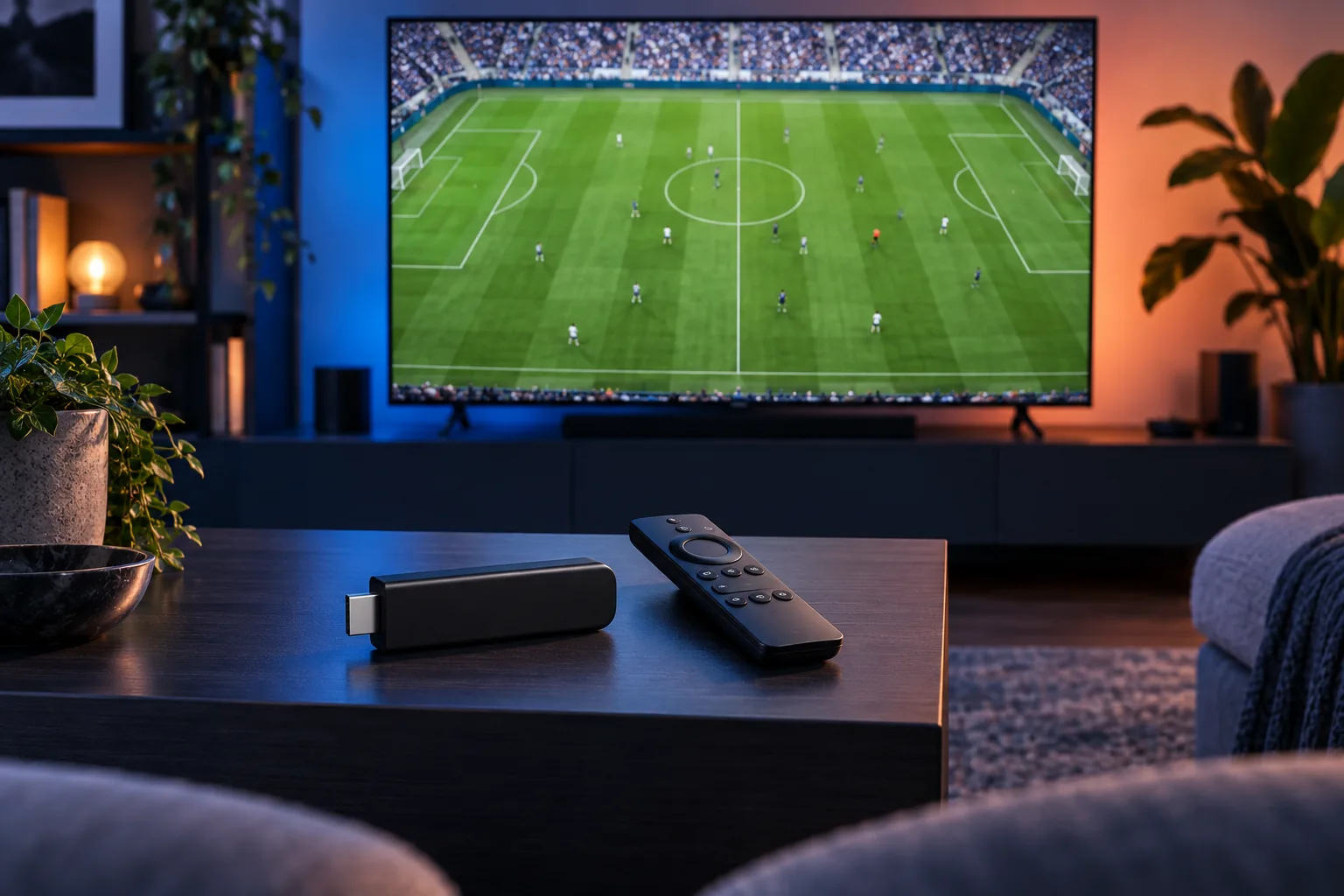
Television and portable devices illustrating a home streaming setup.

Resolution

Resolution describes the number of pixels in a video image or display, usually expressed as width and height. The source, decoded image and television panel can have different resolutions. More pixels can preserve more detail when the production contains it, but resolution alone does not describe compression quality, motion handling or the condition of the source.

Read more →
Television and portable devices illustrating a home streaming setup.

Bitrate

Bitrate is the amount of data used or transferred per unit of time. In media, it often describes an encoded audio or video stream rather than the maximum speed of an internet package. It can be fixed or variable, and higher values do not automatically produce a better picture across different codecs and source material.

Read more →
Television and portable devices illustrating a home streaming setup.

Frame rate

Frame rate is the number of video frames presented per second. It influences how motion is represented, alongside shutter choices, source quality and playback timing. A stream's frame rate is separate from the screen's refresh rate, although their relationship can affect the smoothness of motion on the particular display being used.

Read more →
Television and portable devices illustrating a home streaming setup.

Refresh rate

Refresh rate describes how often a display updates its image each second. It is a property of the display mode rather than a statement about the incoming programme's frame rate. Matching the presentation timing appropriately can reduce uneven motion, but supported output modes and automatic matching features vary between devices and playback applications.

Read more →
Television and portable devices illustrating a home streaming setup.

Aspect ratio

Aspect ratio is the proportional relationship between an image's width and height. A player can preserve that shape with borders, crop part of the picture or stretch it to fill a display. The appropriate presentation depends on the source and viewer's preference, but stretching changes the apparent shape of objects and people.

Read more →
Television and portable devices illustrating a home streaming setup.

Progressive scan

Progressive video represents each complete frame as an image rather than dividing successive moments into alternating fields. It is commonly indicated by a p in a format description. Its appearance still depends on resolution, frame rate, compression and display processing, so progressive presentation is only one part of a source's overall picture behaviour.

Read more →
Television and portable devices illustrating a home streaming setup.

Interlaced video

Interlaced video divides image information into alternating fields rather than presenting every complete frame in the same way as progressive video. The fields can represent different moments in time. A modern progressive display normally needs suitable deinterlacing to show the source cleanly, particularly where subjects or camera positions move during the programme.

Read more →
Television and portable devices illustrating a home streaming setup.

Deinterlacing

Deinterlacing converts interlaced video into images suitable for progressive presentation. Different methods balance motion detail, edge quality and processing cost. The quality of the result depends on the source and implementation; it is separate from increasing resolution, fixing an unstable connection or choosing another audio track in the player.

Read more →
Television and portable devices illustrating a home streaming setup.

Upscaling

Upscaling maps an image to a greater pixel resolution, often so a lower-resolution programme can fill a higher-resolution screen. The processing estimates or interpolates additional picture information. It can improve presentation, but it cannot recover every detail absent from the original recording, encoding or transmission that supplied the smaller image.

Read more →
Television and portable devices illustrating a home streaming setup.

Chroma subsampling

Chroma subsampling reduces the amount of colour information stored relative to brightness information in an image. Video systems use it to represent pictures efficiently, relying partly on differences in human sensitivity to detail. Different sampling arrangements can affect fine coloured edges and text, independently of a video's stated resolution or its network delivery speed.

Read more →

LET’S GET YOU STARTED

Your screen. Your next step.

Install a suitable player, then WhatsApp us for your 24-hour trial.

Request your trial +44 7532 814802
↑