
STREAMING GLOSSARY

Display and connections explained

Definitions, examples and related terms for this part of your viewing setup.

TERMS & EXAMPLES

Display and connections

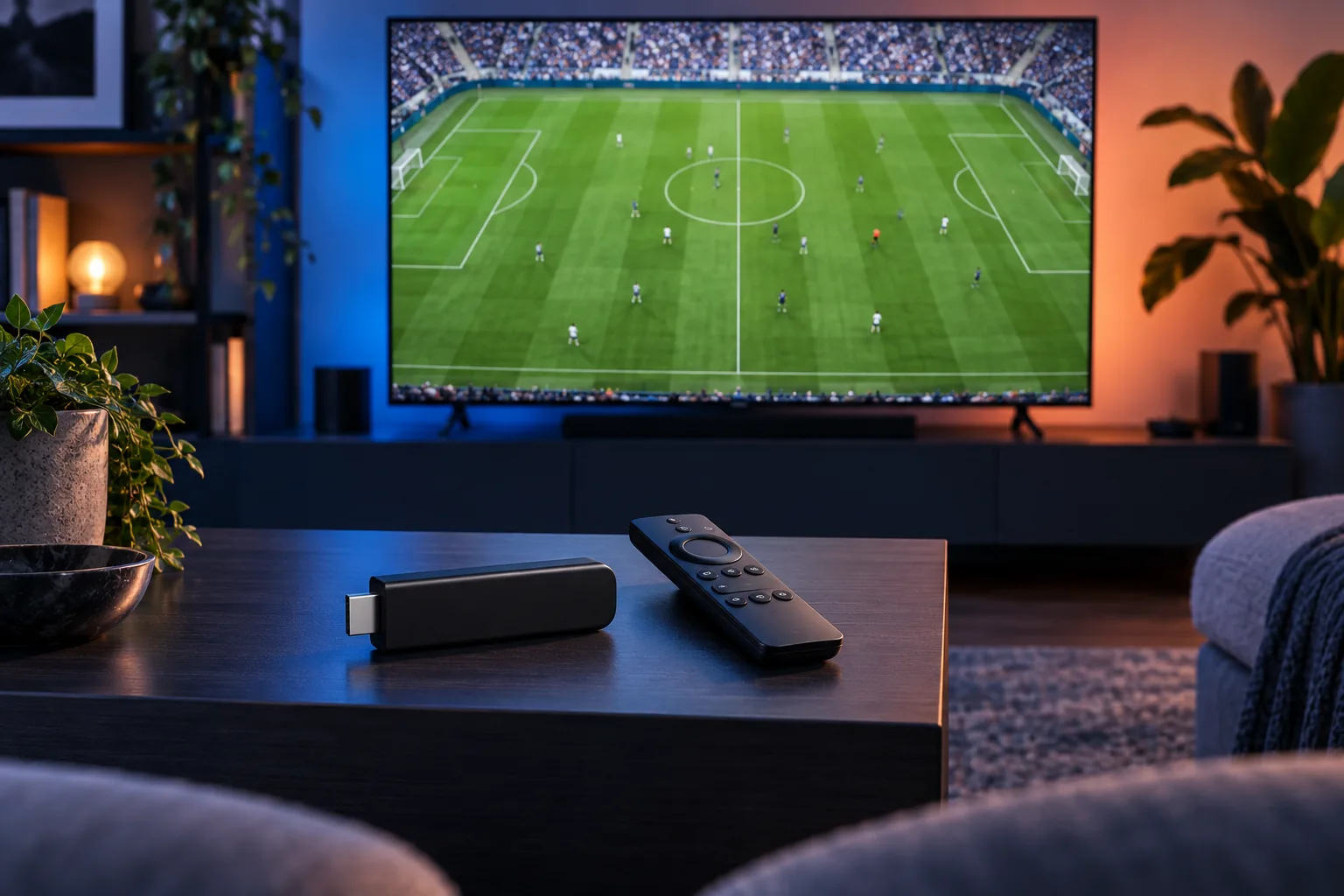
Television and portable devices illustrating a home streaming setup.

HDR

High dynamic range video can represent a wider range of brightness and, depending on the format, associated colour information than conventional standard dynamic range arrangements. Playback needs a compatible source, decoding path and display. An HDR-capable television does not make every programme HDR or guarantee that every picture mode will present it well.

Read more →
Television and portable devices illustrating a home streaming setup.

SDR

Standard dynamic range describes conventional video presentation using established brightness and colour arrangements rather than an HDR presentation. SDR content can still look excellent when correctly produced and displayed. The source's encoding, grading, screen settings and viewing environment all matter, so SDR is not a synonym for low resolution or poor picture quality.

Read more →
Television and portable devices illustrating a home streaming setup.

Color depth

Colour depth describes the precision available for representing component values in a digital image. Higher bit depths can represent more steps and help reduce visible banding in suitable workflows. Actual presentation depends on the whole chain, including the encoded source, decoder, output mode, display processing and panel capabilities of the equipment being used.

Read more →
Television and portable devices illustrating a home streaming setup.

Color gamut

Colour gamut is the range of colours a particular standard, source or display can represent. Correct presentation requires the image's colour information to be interpreted appropriately throughout the playback chain. A wider display gamut can be useful for suitable material, but it does not mean that every programme should be expanded to maximum saturation.

Read more →
Television and portable devices illustrating a home streaming setup.

Tone mapping

Tone mapping adapts an image's brightness representation to the capabilities or intended range of the output display. It is important when an HDR source contains levels a particular screen cannot reproduce directly. The process involves trade-offs in highlights, overall brightness and detail; different implementations can therefore present the same source differently to the viewer.

Read more →
Television and portable devices illustrating a home streaming setup.

HDCP

High-bandwidth Digital Content Protection is a protection system used on certain digital connections, including HDMI arrangements. Protected playback may require compatible devices throughout the signal path to complete its checks. HDCP is separate from a subscription login, and an issue in the display connection can interrupt otherwise correctly delivered media in a supported playback workflow.

Read more →
Television and portable devices illustrating a home streaming setup.

HDMI

HDMI is a digital interface used to carry video, audio and related signalling between compatible devices. The available features depend on the equipment, ports, cable and negotiated mode throughout the chain. A streaming box's internet connection and its HDMI connection perform different jobs, and either side can cause a viewing problem independently.

Read more →
Television and portable devices illustrating a home streaming setup.

EDID

Extended Display Identification Data is information a display supplies to a connected source about its supported capabilities and identification. A source can use that information when choosing output arrangements. Receivers, adapters or other intermediate equipment can affect the information exchanged, so the complete connection chain matters when diagnosing an unexpected picture or sound mode.

Read more →
Television and portable devices illustrating a home streaming setup.

Color range

Colour range describes how numerical signal values are assigned to visible brightness and colour information in a particular arrangement. Source and display interpretations need to agree. A mismatch can crush dark detail, clip bright areas or make blacks look grey, even when resolution, bitrate and network delivery are otherwise behaving correctly during playback.

Read more →
Television and portable devices illustrating a home streaming setup.

Motion interpolation

Motion interpolation creates additional estimated frames between source frames to change the appearance of movement on a display. It is different from receiving a genuinely higher-frame-rate source. Some viewers prefer its smoother appearance, while others notice processing artefacts or dislike the changed look, especially for films and other deliberately photographed material.

Read more →

LET’S GET YOU STARTED

Your screen. Your next step.

Install a suitable player, then WhatsApp us for your 24-hour trial.

Request your trial +44 7532 814802
↑