
Deinterlacing converts interlaced video into images suitable for progressive presentation. Different methods balance motion detail, edge quality and processing cost. The quality of the result depends on the source and implementation; it is separate from increasing resolution, fixing an unstable connection or choosing another audio track in the player.
A practical example
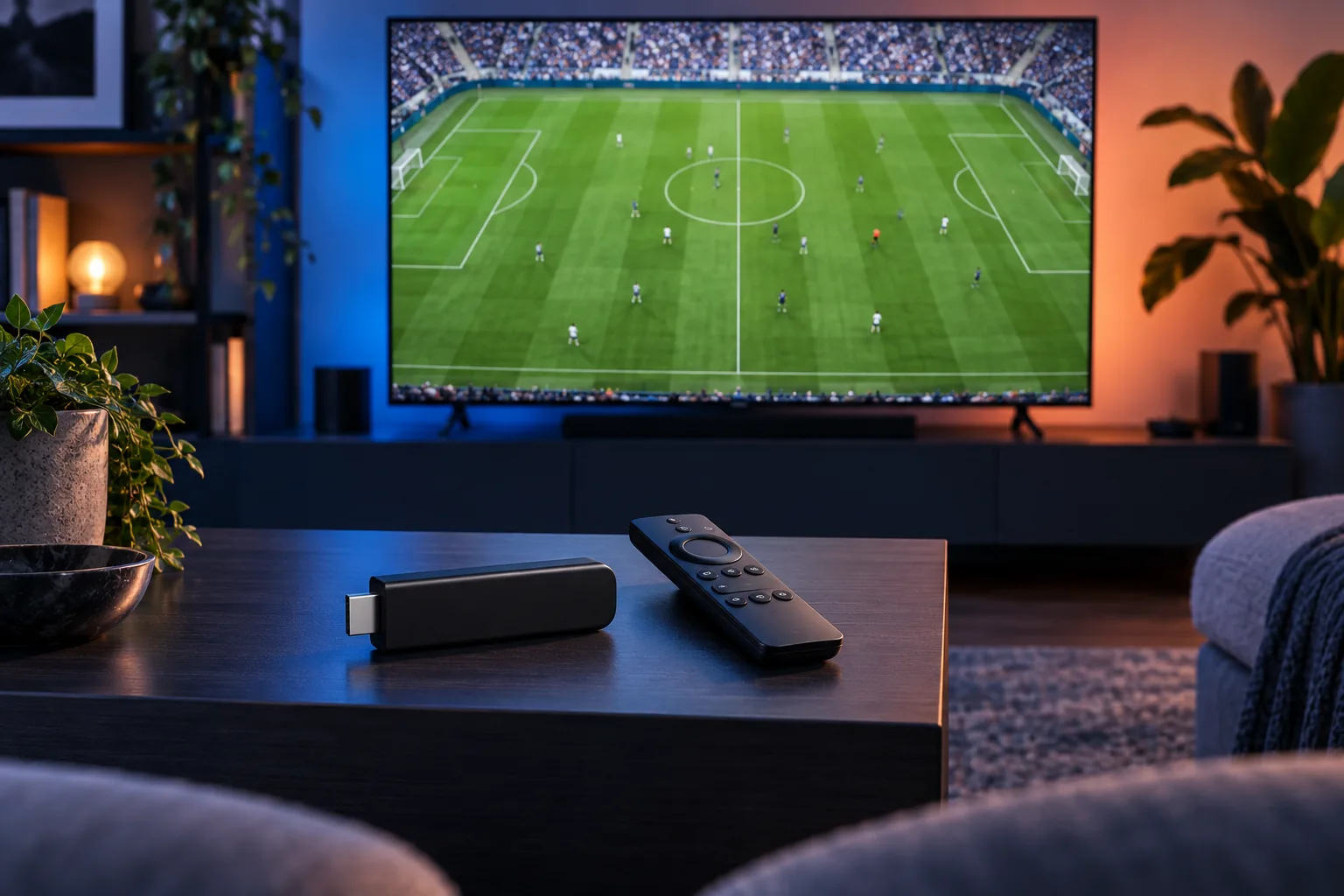
A television or player can process an interlaced news or sports source before showing it on a progressive panel. Changing a supported deinterlacing mode may affect moving edges without changing the subscription, channel address or network speed at all.
A common misunderstanding
Applying deinterlacing unnecessarily to an already progressive source can provide no benefit and may alter the picture. Identify the source format before treating every motion issue as an interlacing problem.
Related terms
Stable technical definition. Editorial approach