
Interlaced video divides image information into alternating fields rather than presenting every complete frame in the same way as progressive video. The fields can represent different moments in time. A modern progressive display normally needs suitable deinterlacing to show the source cleanly, particularly where subjects or camera positions move during the programme.
A practical example
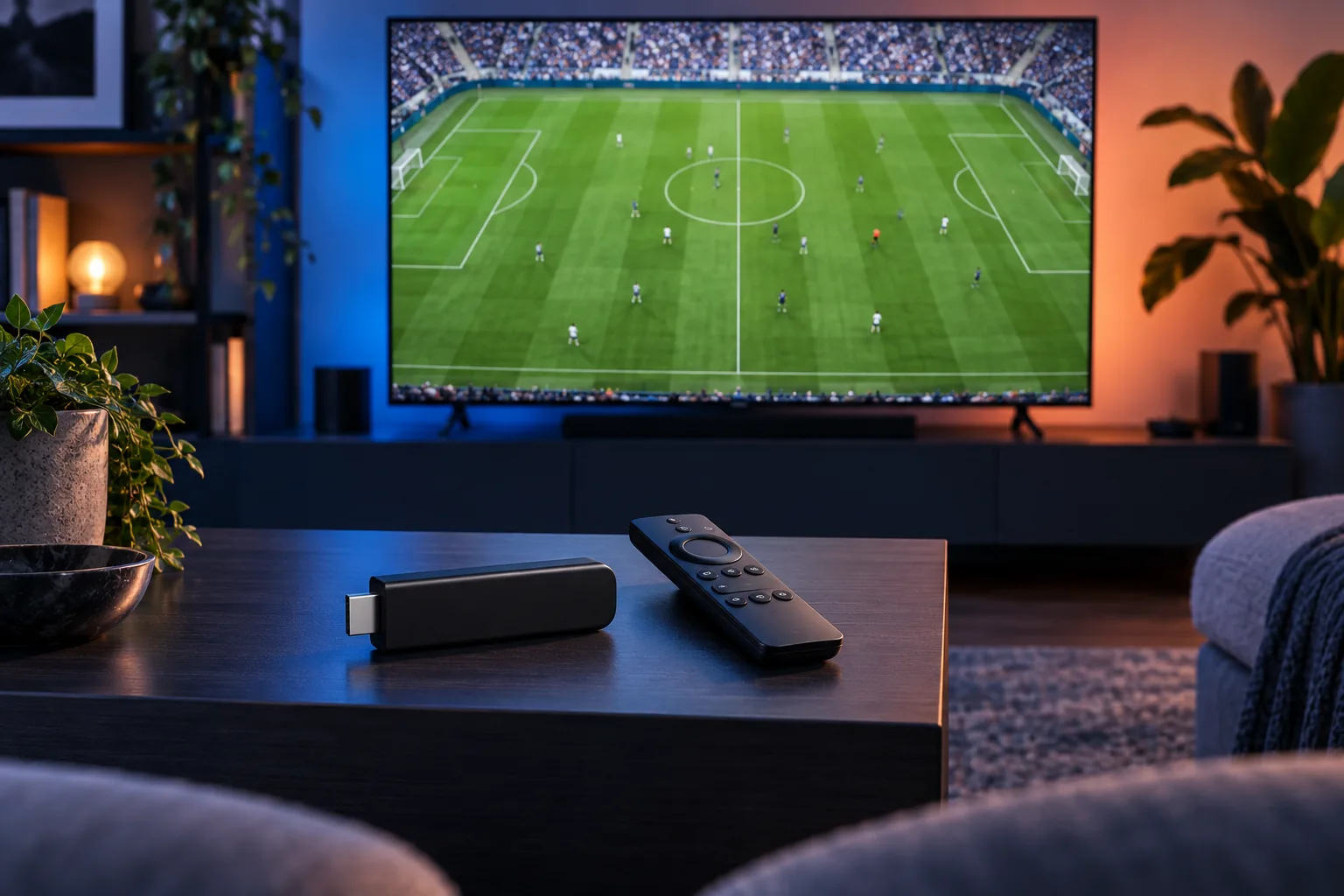
A fast-moving player in a match may show comb-like edges if interlaced fields are combined incorrectly. A suitable deinterlacing method aims to handle those fields according to their timing rather than treating them as one simple still image.
A common misunderstanding
Do not assume that every motion artefact comes from network buffering. Interlacing and display processing can create visible issues even while media data arrives steadily and playback never pauses.
Related terms
Stable technical definition. Editorial approach